
Cultivated for 10,000 years, freshly rediscovered for our era — a crop that is fast, frugal, soil-restoring and unusually versatile.
The use of hemp as an industrial crop is as old as the practice of agriculture itself, dating back almost 10,000 years. Originally cultivated for the fibres of the stalk — fabrics for clothing, nets for hunting and fishing — it is only recently that hemp's potential has been rediscovered, leading to its legalisation across all significant global jurisdictions for industrial and consumer applications.
The versatility of hemp fibre has driven its adoption across textiles, construction, nutritional, animal care, horticulture, cosmetics and — more recently — bioplastics. Research and Markets projects the global industrial-hemp market to grow from USD 6.8 B in 2022 to USD 18.1 B by 2027 — a CAGR of 21.6%.
Hemp fibre and hurd are exceptionally durable, making them ideal for products requiring high strength and resilience. Their natural antibacterial and antifungal properties add to their appeal — they effectively resist odours and stains, making them perfect for textiles and personal-care products.
Additionally, hemp fibre and hurd are lightweight, offer superior insulation, and are highly resistant to mould, mildew and rot — making them a valuable material for construction.
Beyond traditional uses, hemp is also being utilised to create biodegradable bioplastics, providing a sustainable alternative to conventional plastics. Notably, BMW is integrating hemp-based materials into car parts to reduce plastic usage, showcasing the versatility of hemp in modern manufacturing.
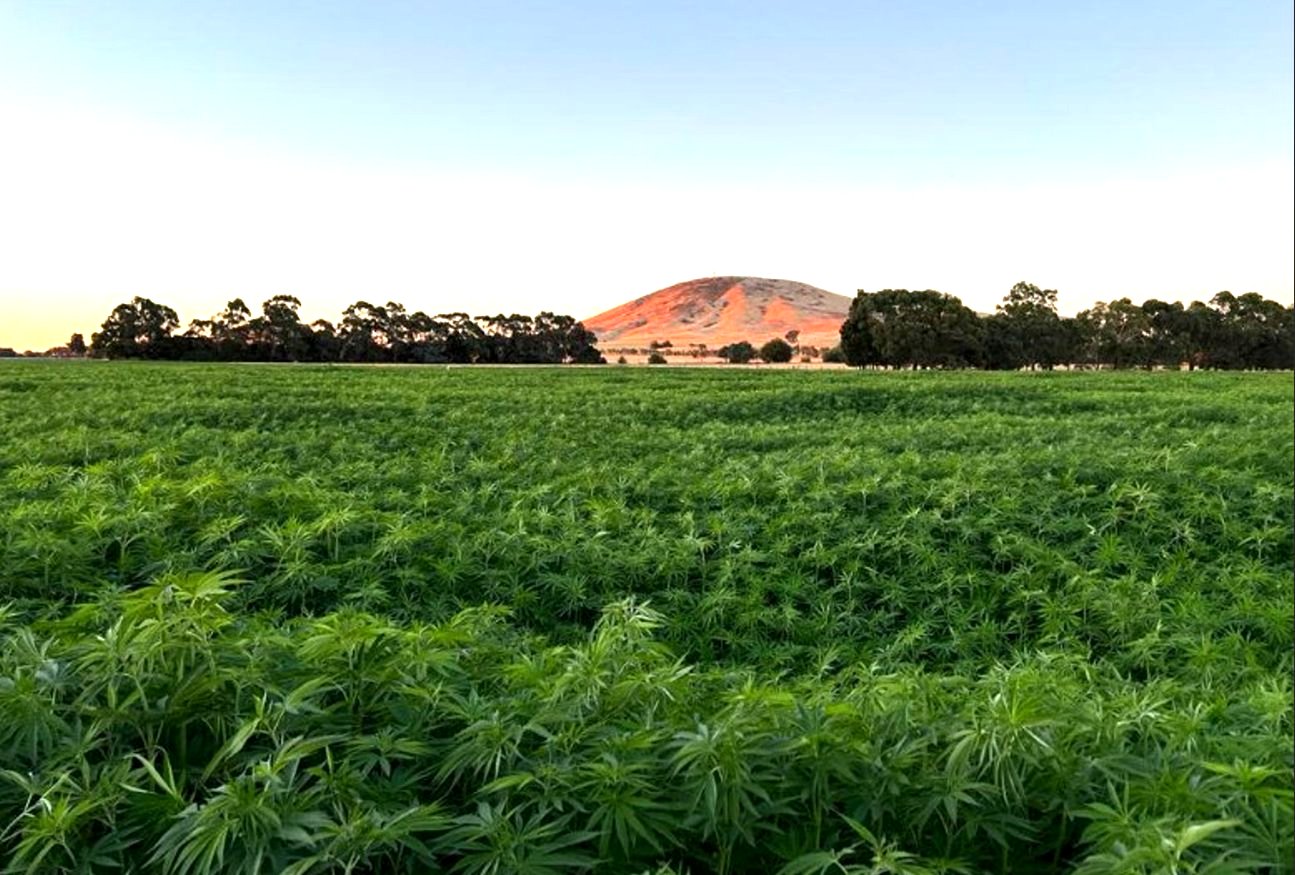
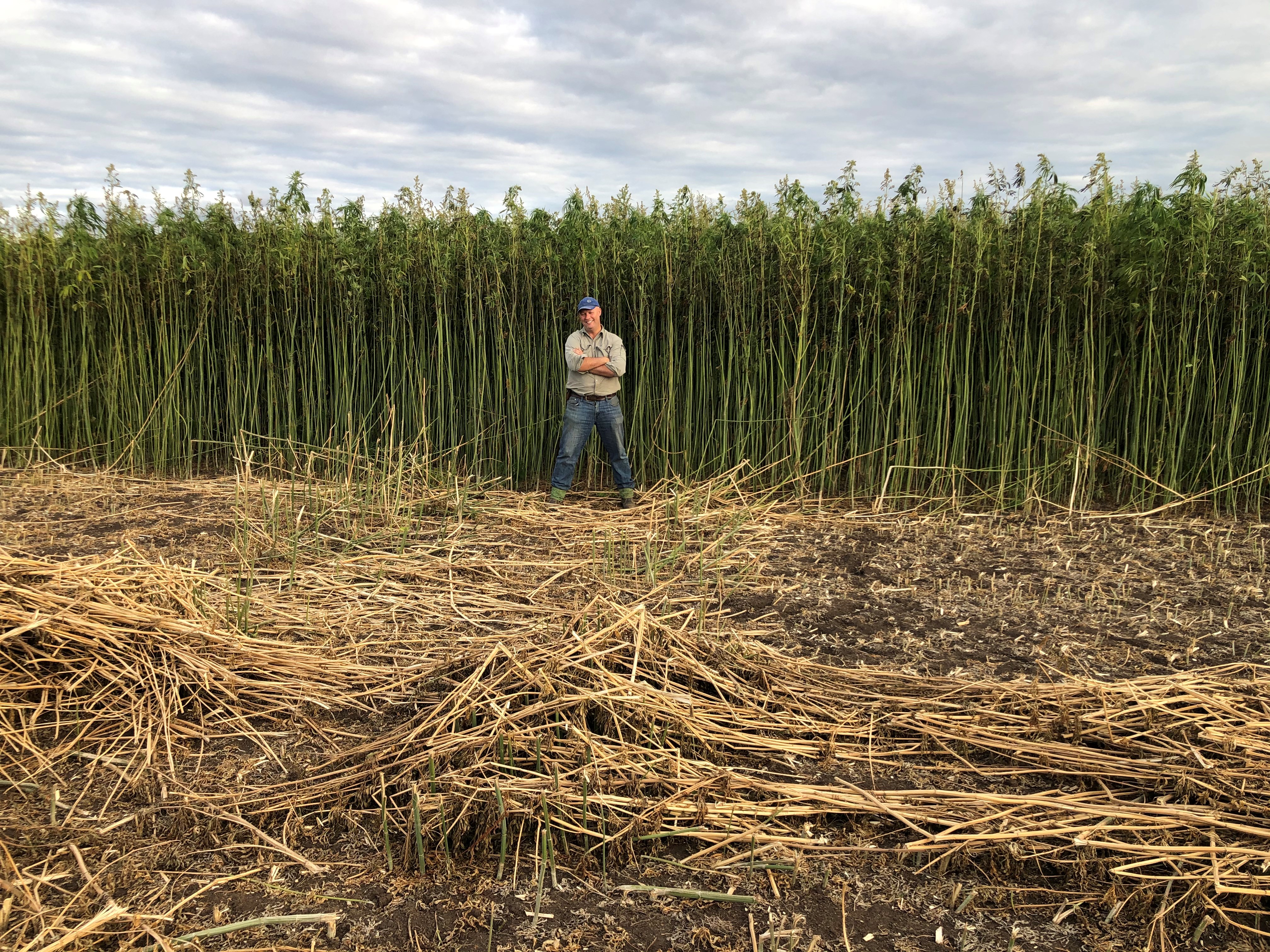
Hemp captures CO₂ from the atmosphere and traps it in the plant. All plants do this — but hemp does it faster than most because of its rapid growth. An estimated 22 tonnes of CO₂ are sequestered per hectare per crop. With 4 m of growth in 100 days, hemp is one of the fastest CO₂-to-biomass conversion tools available — more efficient than agro-forestry.
Unlike many plant species, hemp grows in a wide range of climates. This means the economic and environmental benefits can be realised across many regions of Australia. With only 100–120 days from planting to harvest, hemp is an ideal rotational crop.
Hemp plants use significantly less water per hectare than other commodity crops — a critical advantage as water continues to tighten across Australian production regions.
Hemp is a nutrient powerhouse for the soil. About 70% of the nutrients it uses are returned via biomass and root structure — making it an ideal rotation crop that builds soil structure and fertility for what comes after it.
Hurd + binder + water forms hempcrete — a durable, breathable, fire-resistant, termite-resistant material that is carbon-negative. Excellent thermal and acoustic insulation. Non-toxic. Lightweight. See the hempcrete page for full detail.
Bioplastics from hemp do not emit CO₂ on decomposition and are often biodegradable. With ~half of all discarded plastic coming from packaging, the global bioplastic packaging market is projected to reach USD 15 B by 2028 at a 10–12% CAGR.
Choosing the right hemp genetics is essential for performance in local climatic conditions and for maximising crop yield.
SouthFibre are actively involved in genetic sourcing — nationally and internationally — and multiplying seed to supply our growers with the right varieties at the required quality. Our intent is to challenge the current market by supplying quality planting-seed stocks to our grower base at significantly reduced prices.
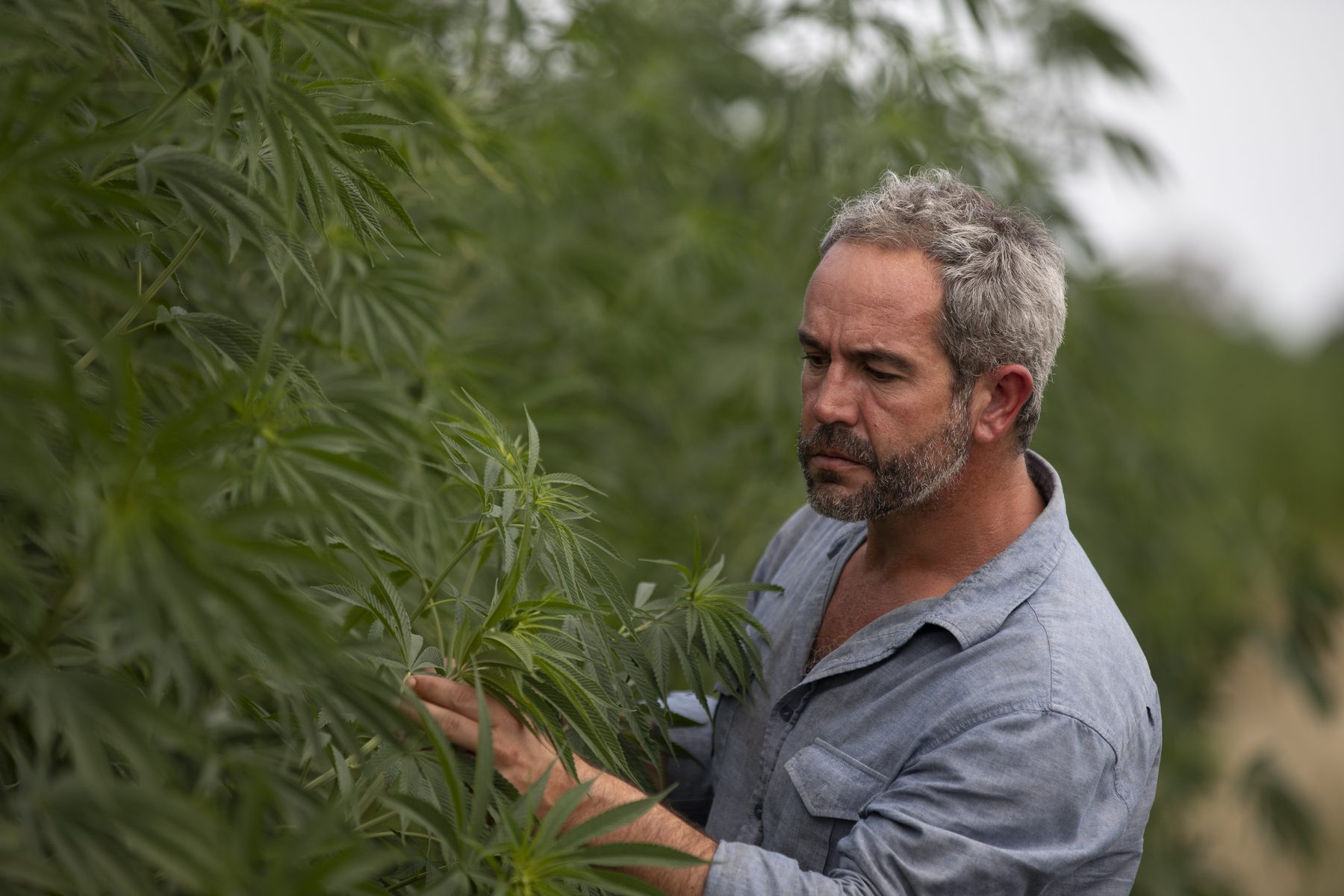
Hemp is now grown in every Australian state as an irrigated crop. It thrives in mild, tropical and subtropical climates, between 15–27 °C, and is primarily grown in summer.
According to Agrifutures Australia, hemp can be grown in a wide variety of soil types, but does best in fertile, neutral to slightly alkaline, well-drained clay loam or silt loam soils — sown between September and November.
After harvest, hemp is usually left in the field to undergo retting — moisture and microbes break down pectin, the substance binding the stem. This makes it easier to separate the fibres from the woody core (hurd). Natural factors such as dew and bacteria aid decomposition over 2–4 weeks, depending on weather and intended use of the fibre. The stalks are then dried to below 12% moisture and baled for processing.
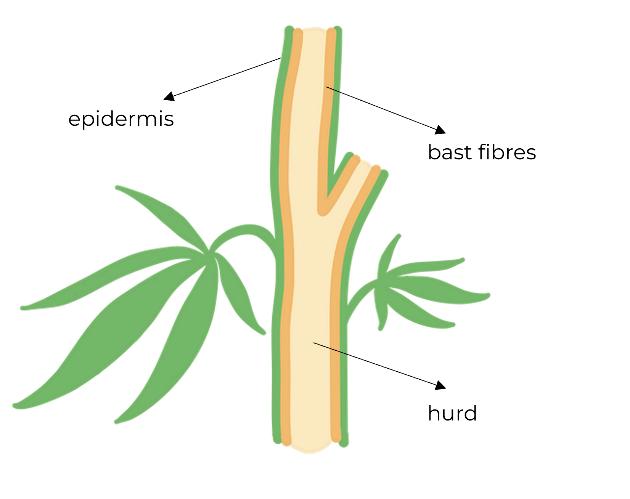
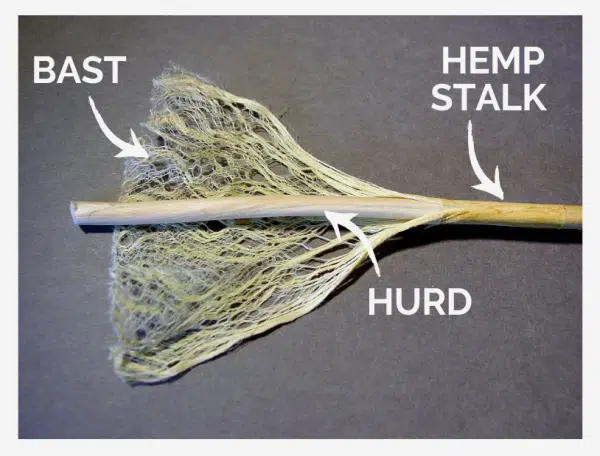
Hemp biomass is subjected to decortication — stalks pass between fluted rollers to crush and break the hurd into small pieces, separating some of the fibre in the process. Once a very involved and labour-intensive process, separation of the fibre from the hurd has been simplified by the modern decorticator.
Further refining steps separate the hurd from the fibre, which is then packed for the marketplace.
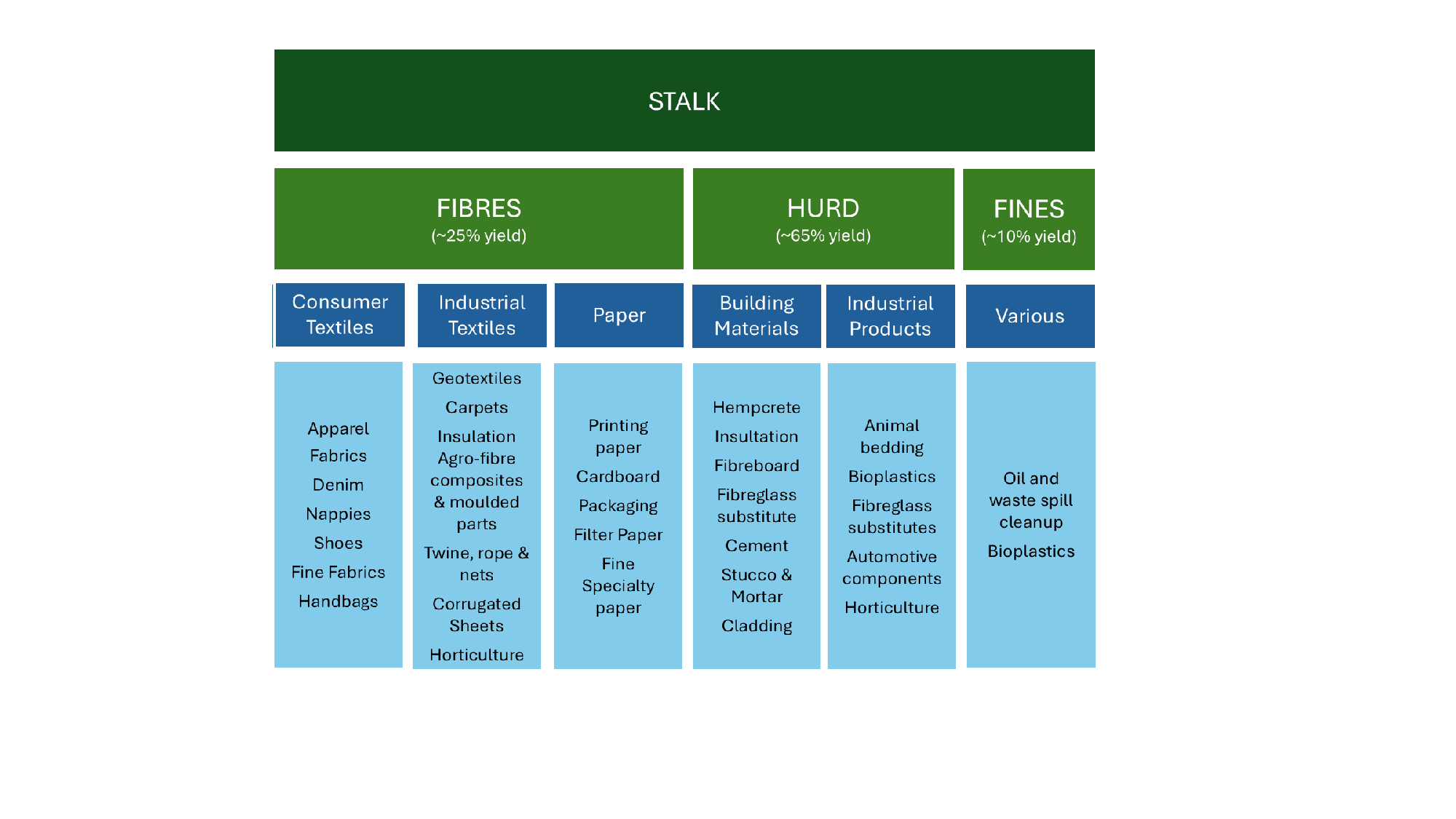
SouthFibre is focused on the hemp stalk. Decortication physically separates the woody inner core (hurd) from the outer fibrous bast. The flower and seed are used for food and oil — SouthFibre's growers plant varieties selected to maximise stalk biomass.
Whether you're a grower with paddocks or a manufacturer with demand, we'd like to hear from you.