

Hurd + binder + water. A breathable, fire-resistant, termite-proof, carbon-negative wall — cast around a light timber frame or pre-fabricated into blocks and panels.
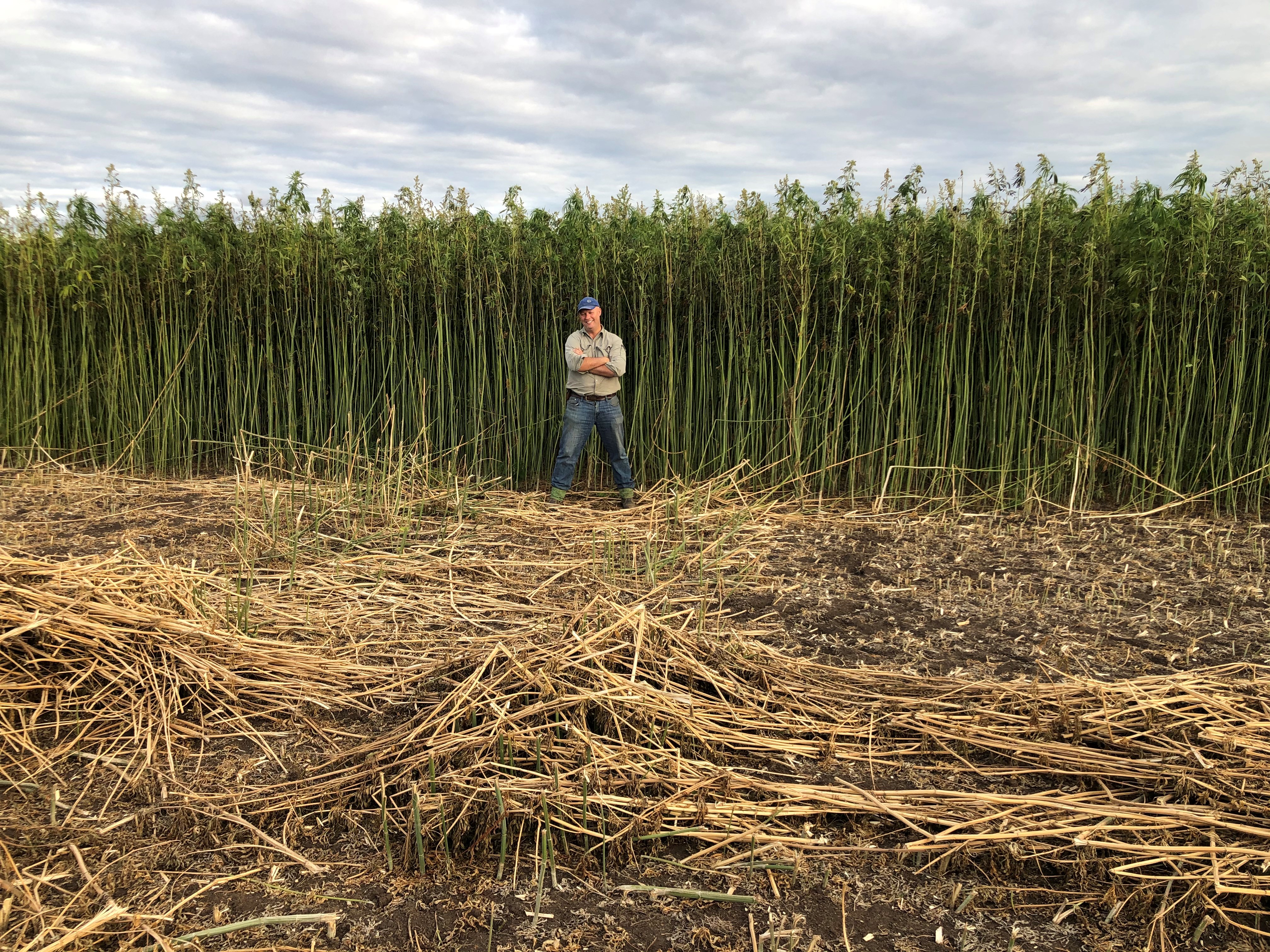
Hemp construction uses renewable crop-based materials that absorb carbon dioxide as they grow — providing an opportunity to capture and store CO₂ in the fabric of buildings for their entire lifespan. Sustainable building products are being made from all parts of the hemp plant — ideal for both renovation and new builds.
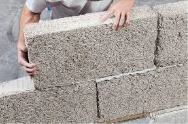
Hempcrete is simply hurd combined with a binder and water to make a soft mix, which is then:
Hempcrete replaces almost everything currently used to construct walls — bricks, mortar blocks, cement, cavity ties and closers, insulation, and plasterboard. It provides both structure and insulation within a single solid wall.
Very low U-values — a 300 mm wall measures 0.2 W/m²K. Combined with high thermal inertia, the building temperature changes very slowly — walls absorb heat and release it as the air temperature falls, greatly reducing heating requirements.
The "petrified" plant matter retains some of its lightness and open texture — requiring shallower foundations and delivering cost savings on substructure.
The binder provides protection to the timber frame against rot — removing the need for further chemical treatment.
Hempcrete is fire-resistant — withstanding direct flame for over an hour without combustion. Termites and vermin cannot penetrate it.
Hempcrete plaster applied to internal walls during renovation gives the benefits of a hempcrete wall — insulation and breathability — to old buildings, including those with brick and lime mortar that have no cavity. The result: an attractive textured finish, decoratable with coloured limewash, clay-based paint or any other breathable paint.
Hempcrete is non-toxic and safe once set, and its thickness provides sound insulation — absorbing sound and creating quieter interior spaces.
SouthFibre supplies the hurd. Talk to us about volumes for cast, sprayed or pre-fabricated systems — from a single architect-led build to a commercial block program.