
Five sectors. One crop. Hemp's combination of strength, breathability, absorbency and carbon performance keeps opening new markets.
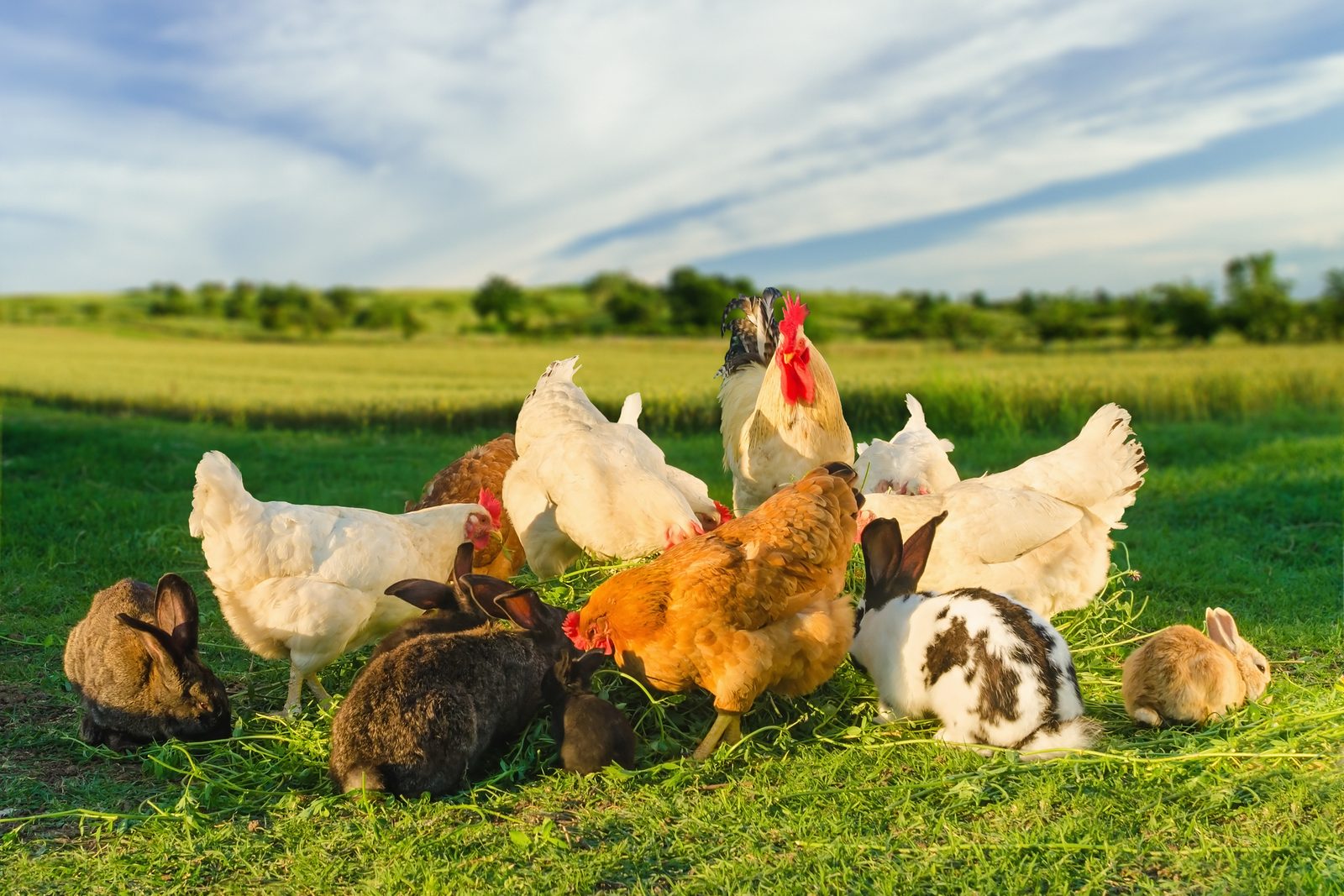
Australia's industrial hemp industry is producing high-quality, sustainable raw materials that are ideally suited to a wide range of animal care applications. By choosing SouthFibre's 100% Australian grown and processed industrial hemp, animal owners, farmers, manufacturers, and agricultural businesses can support local producers while benefiting from products developed specifically for Australian conditions.
From paddock to processing, SouthFibre's Australian hemp is cultivated and manufactured under Australia's rigorous quality standards, creating reliable, traceable products that contribute to a more sustainable future for the animal care sector.
Animal Care → Customer enquirySouthFibre's Australian industrial hemp offers practical solutions across many areas of animal management, including:
Choosing SouthFibre's locally grown and processed hemp delivers benefits throughout the supply chain. Our hemp:
By investing in Australian hemp, businesses are also investing in regional jobs, local manufacturing capability, and the continued growth of Australia's emerging bioeconomy.
Hemp-based products are valued within the animal care sector for their:
SouthFibre's Australian-grown industrial hemp is produced under strict agricultural regulations, with a strong focus on quality, consistency, and sustainability. Local processing ensures greater oversight throughout the manufacturing journey, providing confidence in the origin and quality of finished products.
Industrial hemp represents one of Australia's most promising renewable crops. As demand grows for environmentally responsible products, Australian grown and processed hemp is well positioned to supply innovative solutions for the animal care sector while strengthening local agriculture and manufacturing.
By choosing SouthFibre's industrial hemp, you're supporting local farmers, Australian manufacturing, regional communities, and a more sustainable future for the nation's animal industries.
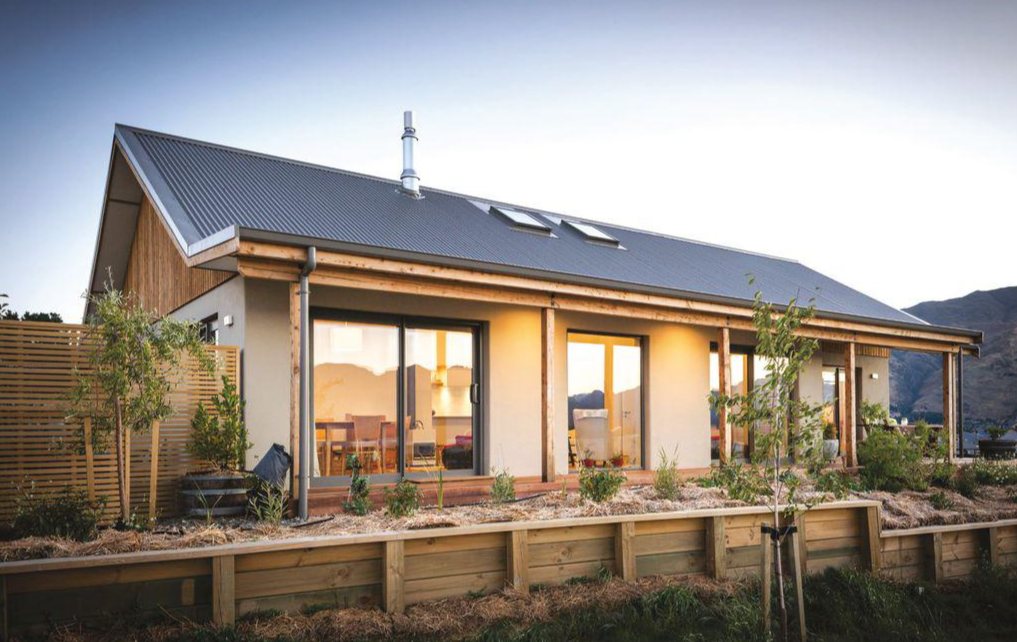
Industrial hemp is emerging as one of the most promising sustainable materials in modern construction. Its fast growth cycle, low environmental impact, and impressive mechanical properties make it a compelling alternative to traditional building resources. Hemp fibres can be processed into hempcrete, insulation, fibreboard, bioplastics, and even structural composites. Hempcrete, a mixture of hemp hurd and lime, is lightweight, fire-resistant, carbon-sequestering, and offers excellent thermal and acoustic performance. Although not a load-bearing material, it pairs well with timber or steel framing to create highly energy-efficient building envelopes.
Beyond hempcrete, hemp fibres can be transformed into durable insulation batts with low toxicity and high breathability, improving indoor air quality. Hemp-based panels and boards provide strong, renewable substitutes for MDF or particleboard, reducing reliance on formaldehyde-based resins. As the construction industry seeks greener solutions, industrial hemp stands out for its ability to regenerate soil, reduce embodied carbon, and deliver versatile, high-performance building materials. Its adoption continues to grow across residential, commercial, and prefabricated building sectors, signalling a shift toward more regenerative construction practices.
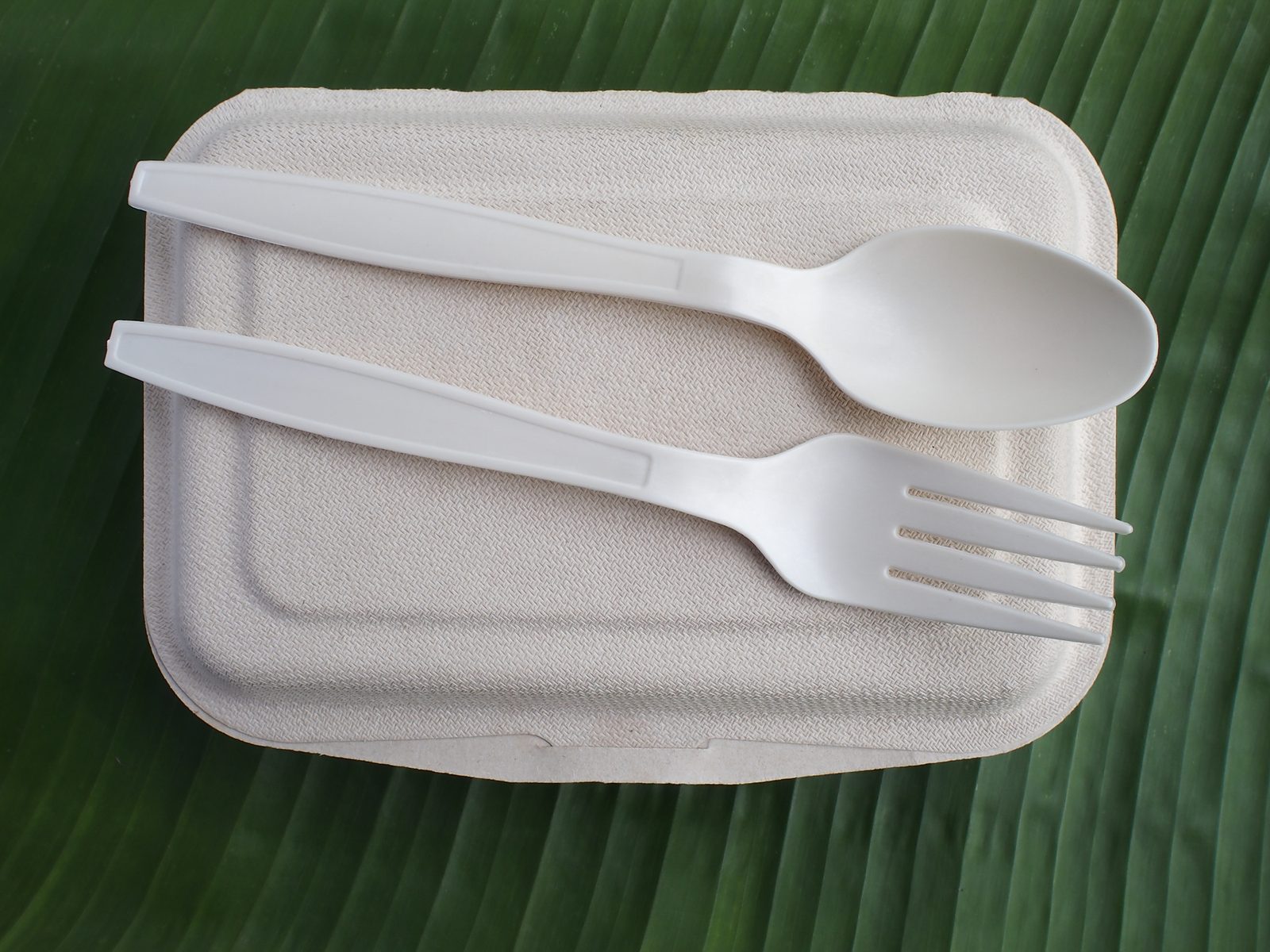
SouthFibre's industrial hemp is 100% Australian grown and processed, providing manufacturers with a reliable, locally sourced renewable raw material for the development of ecoplastics and other bio-based composite materials.
Australian-grown hemp offers a sustainable and traceable supply of high-quality natural fibre and cellulose suitable for a wide range of ecoplastic applications. Its natural strength, low density, and high cellulose content make hemp an effective alternative to conventional mineral and synthetic reinforcements used in plastic manufacturing.
Our hemp materials are produced entirely within Australia, supporting local agriculture, regional industries, and domestic manufacturing while providing consistency, quality assurance, and supply chain transparency. By sourcing and processing hemp locally, manufacturers can access a dependable Australian feedstock for innovative bio-based material solutions.
SouthFibre's hemp can be incorporated into ecoplastic formulations for applications including consumer products, packaging, automotive components, construction materials, horticultural products, and industrial manufacturing. The suitability of hemp for any application will depend on the specific material formulation, manufacturing process, and intended end use.
While hemp is a renewable, plant-based material, the environmental performance of any finished ecoplastic product depends on its complete composition, processing methods, and end-of-life management. The inclusion of hemp does not, by itself, indicate that a product is biodegradable, compostable, recyclable, or carbon neutral. Any such claims should be supported by appropriate testing, certification, and compliance with relevant standards and regulations.
We are committed to supplying premium 100% Australian grown and processed industrial hemp that supports innovation in ecoplastics, strengthens Australian manufacturing, and contributes to the continued development of renewable, bio-based materials. The global market for bioplastic packaging was valued at around USD 7 billion in 2021, and is projected to grow to USD 15 billion by 2028 at a 10–12% CAGR.
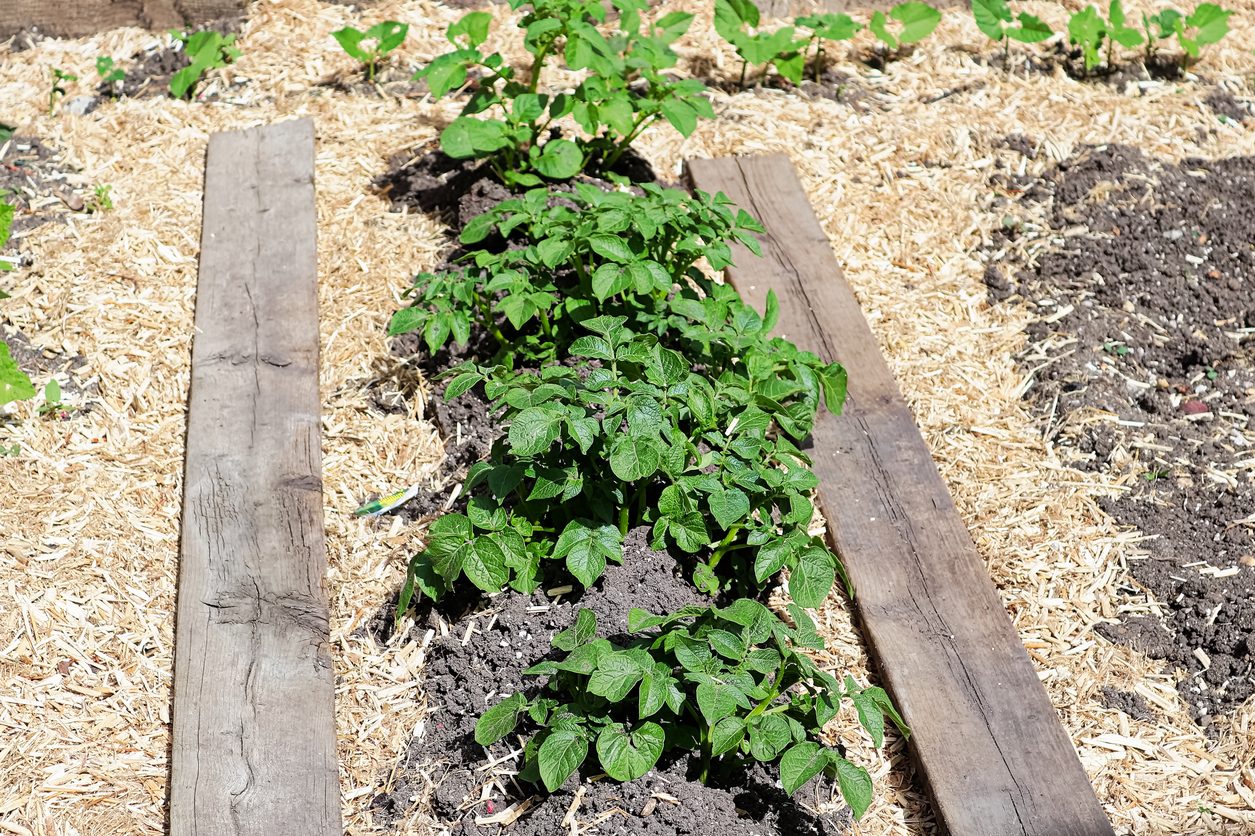
Hemp is a highly valued material for use by the garden and nursery industry. Its use as a mulching, compost or bedding material provides significant advantage over other alternatives. Simple to use, it absorbs up to 5 times its weight in moisture and retains it for a much longer period than alternative materials.
Hemp is highly versatile and durable — a low-input crop with powerful carbon-capturing abilities, known for enhancing soil health, restoring contaminated soil and supporting biodiversity beyond the farm.
It will suppress weed growth and deter pests — particularly snails and slugs — due to its unique genetic structure. It has superior insulating properties, protecting the soil and the plant's root system during hot and cold weather periods. It is fully biodegradable and compostable — composting significantly quicker than wood chip or coir, thus more quickly returning nutrients and humus to the soil.
Hemp fibres are valued for their exceptional strength, durability, and versatility. The fibres are extracted from the stalk of the hemp plant and processed into yarns that can be woven or knitted into a wide variety of fabrics. Modern manufacturing techniques have significantly improved hemp textiles, producing fabrics that are softer, lighter, and more comfortable than traditional coarse hemp materials.
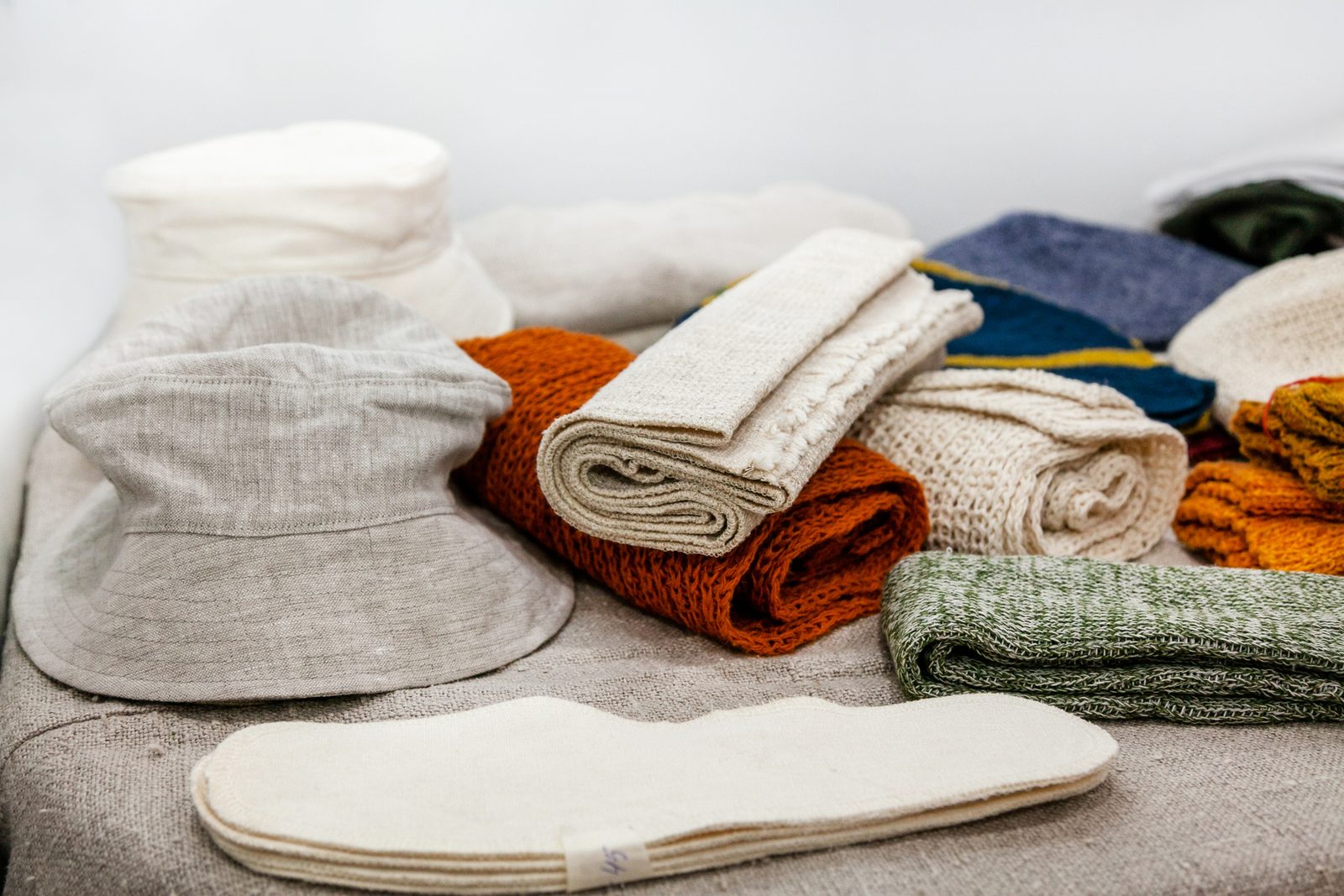
Industrial hemp is considered one of the most sustainable fibre crops available. Compared to conventional cotton production, hemp generally requires fewer pesticides and herbicides due to its natural resistance to many pests. It also grows quickly, typically reaching maturity within 3–4 months.
These characteristics make hemp an attractive option for companies working toward more sustainable supply chains and reduced environmental impacts.
The production of hemp textiles involves several stages:
Modern processing technologies have greatly improved fibre quality while reducing processing time and waste.
Luxury fashion brands and sustainable clothing manufacturers increasingly incorporate hemp blends into their product lines because of their durability and environmental benefits.
Growing consumer demand for sustainable products is driving increased investment in industrial hemp research, farming, and textile manufacturing. Advances in fibre processing are making hemp fabrics softer and more suitable for premium apparel while maintaining their strength and durability.
As governments encourage sustainable agriculture and circular economy practices, industrial hemp is expected to play an increasingly important role in the global textile industry. Industrial hemp represents a valuable renewable resource for the textile industry — its durability, sustainability, and versatility position it as an important fibre for the future of eco-friendly manufacturing.
Tell us about your application — bedding, building, packaging, growing media — and we'll talk volumes, specifications and lead times.